

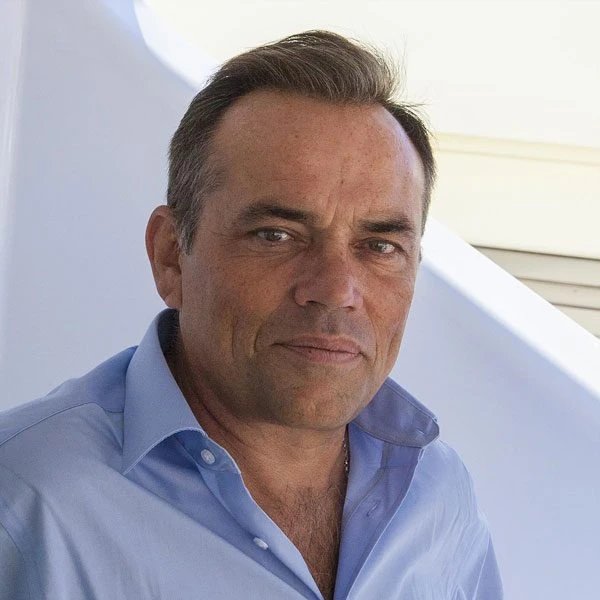
Approved articles for this Expersea issue.

A captain sees a yacht from two directions at once. There is the owner's experience—the places to visit, the guests to welcome and the pleasure of being afloat—and there is the operating reality that makes it possible. Expersea's founder, Nick Sevier, brought that perspective ashore when he established a business around the needs of a group of superyacht owners.
The company grew from a concern that those owners' particular requirements were not being heard closely enough. Its response was a service spanning management, charter and brokerage, rather than treating each as an entirely separate relationship. That combination gives the business a view across several stages of a yacht's life.
Based in Antibes, Expersea sits within a Mediterranean setting where yachts, crews and specialist suppliers meet. The town is a useful place from which to understand the rhythm of a season: preparation, guest trips, movement between ports and the work planned for quieter periods. A shore office can provide continuity while the vessel itself is travelling.
Sevier's captaincy background is important to the company's character. The management operation draws on experience among captains and chief engineers, connecting decisions ashore with the people responsible for carrying them out on board. Technical support is more useful when the person discussing a problem understands the environment in which it has appeared.
The management offer is deliberately broad. It includes operational budgets and expenditure reporting, routine maintenance and refit planning, crew administration and insurance support. Together these services describe ownership as a continuing programme of decisions, not simply the purchase of a vessel followed by an occasional maintenance bill.
Financial administration is an especially revealing part of that work. The company prepares budgets, follows expenditure and supports onboard accounting. It also provides arrangements for accounts, cards and invoice payments, with controls that can involve the captain, owner or representative. The practical aim is to keep the yacht operating while the owner retains a clear understanding of the costs.
Technical support connects routine tasks with larger yard periods. Maintenance must fit around the intended use of the yacht, while a refit requires a more concentrated programme of quotations, work and cost monitoring. A decision made early can influence access, timing and the work that other specialists will need to do later.
Crew services introduce another set of relationships. Expersea includes introductions, reference and certificate checks, employment administration and payroll. These are distinct responsibilities, but they all contribute to whether the yacht has the people and continuity it needs for a successful season.
Charter brings the guest's perspective into the same organisation. The company presents yachts of different sizes and characters, from the 22-metre 7 Zero to the 65-metre Trident. The choice is not simply about length: the arrangement of cabins, deck areas, service and activities determines what kind of trip a group can enjoy.
Brokerage then connects the service with a longer-term decision. A client choosing a yacht needs to consider design preferences, intended use and budget, alongside the practical condition of an individual vessel. Expersea's published process includes organising inspections and surveys and continuing the conversation into post-sale management.
That continuity is the central point. The knowledge gathered while discussing a purchase can remain relevant when the yacht is operated, and the experience of managing a vessel can inform a later decision to sell or change direction. The company is organised around those connections rather than asking the owner to start the explanation again at every stage.
Expersea's story is therefore a story about perspective. The view from the bridge includes machinery, weather, people and responsibility as well as the horizon. Bringing that knowledge into a shore-based service creates a business whose most interesting work happens between the attractive image of ownership and the daily organisation that allows it to be enjoyed.
About The business behind the view from the bridge
Enquiries are not enabled yet. No message will be sent.
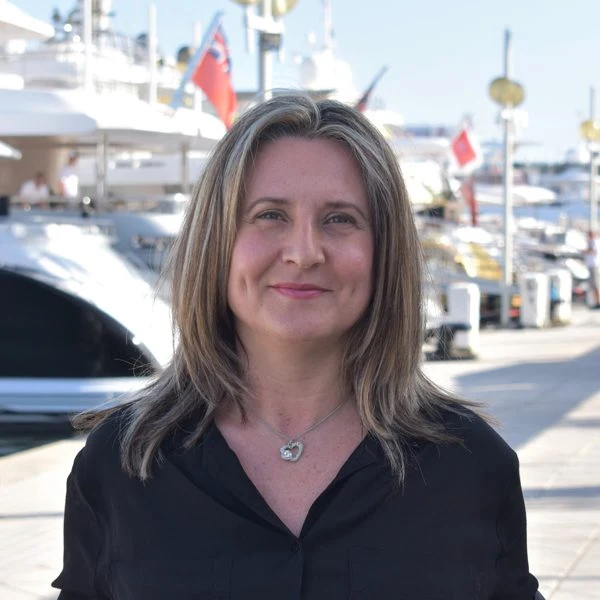
A yacht management business becomes easier to understand when the responsibilities have names. Expersea's team combines a captain's perspective with charter coordination, crew management, brokerage, finance and compliance. The published roles show how much work sits behind the apparently simple promise to look after a yacht.
Founder Nick Sevier provides the link with the company's origins. His background as a yacht captain connects the business with the operational questions that owners and crews encounter. Establishing a shore-based service allowed that experience to support more than the vessel on which one person happened to be standing at the time.
Stephanie Rayon is Office and Charter Manager. Those two subjects meet naturally in a business where a guest programme depends on communication across several people and places. A charter enquiry develops through preferences, dates, yacht choices and practical arrangements, all of which need to remain connected as the trip takes shape.
The office in Antibes also provides a fixed point while the yacht's location changes. Guests, brokers, captains and suppliers may each have different parts of the information. Organising those contributions is a substantial task, and the quality of that coordination can influence how confidently the next stage proceeds.
Catherine Barrow is Crew Manager. A yacht's people are central to its character, but crewing is more than filling a list of positions. Experience, qualifications and the fit within an existing team all matter. The requirements of the vessel and the expectations of the individual need to be understood together.
Expersea's crew service includes checking references and certificates, administering employment arrangements and handling payroll. Those functions give a practical shape to the role. A successful introduction must be supported by the information and administration that allow the person to join the yacht and work within its programme.
Jonathan Browne is Sales Broker. His discipline sits at a different point in the ownership story: helping a client evaluate a purchase or present a yacht to prospective buyers. The wider management background provides useful context, because an attractive specification still has to be understood as a vessel with an operating future.
Sabina Jupic is Yacht Finance Administrator. Budgets, expenditure reports and payment arrangements require detailed attention, particularly when the yacht is travelling and dealing with suppliers in different places. The purpose of clear accounting is not only to record what happened, but to help the owner and captain understand the programme ahead.
Keith Oulds is Fleet ISM Manager and Designated Person Ashore, with a security responsibility also identified in his role. James Oulds works as Deputy DPA and in compliance. These are specialist functions concerned with the systems and shore support around safe yacht operation, adding another layer to the organisation beyond sales and guest-facing service.
The distinction between these roles is useful. The person discussing a charter does not have to be the same person following an operating budget or a compliance matter. A small team can still contain a broad range of expertise, provided the responsibilities are clear and the information moves effectively between them.
The crew on the yacht remain essential partners in that structure. The management office works with captains and engineers rather than replacing the people who know the vessel's day-to-day behaviour. Reports from on board, technical advice ashore and decisions by the owner have to form one continuing conversation.
Together, the seven names make the company's scope tangible. Charter, brokerage and management are broad headings; people turn them into work that someone can explain and follow through. For an owner, that clarity is part of the service: knowing who is responsible and understanding how one question connects with the next.
About Seven people, connected responsibilities
Enquiries are not enabled yet. No message will be sent.
The right charter yacht is not simply the largest one available. A compact open yacht and a large displacement superyacht can each offer a memorable trip, but they support different rhythms. Expersea's presentation of 7 Zero and Trident provides a useful contrast in scale, arrangement and the kind of time a group might spend aboard.
7 Zero is a 22-metre Overmarine Mangusta 72. Her open-yacht character places outdoor space close to the centre of the experience, with areas for sitting, sunbathing and easy access to the sea. For a smaller group, that can create an immediate, sociable relationship between the boat and the day's surroundings.
The accommodation provides three en-suite cabins for six guests. That arrangement gives the boat a clear scale: enough private space for a small group, without the larger network of rooms and service areas associated with a much bigger yacht. Several seating areas allow people to gather without making the interior feel like a single-purpose passage to the cabins.
The bow sunpad and aft bathing platform offer different ways to spend time outside. One provides a place to settle into the view; the other connects the yacht with a swim or the next activity on the water. Those details often have more influence on the shape of a day than an isolated headline about speed.
Trident operates on another scale. At 65 metres, with accommodation for twelve guests and a crew complement of seventeen in Expersea's presentation, she offers a much broader set of spaces and services. Her interior design is by Donald Starkey, adding a named creative contribution to the yacht's character.
Large deck areas support dining, lounging and time in the open air, while a sundeck gym and lift form part of the arrangement. A yacht of this size can accommodate several activities at once. Some guests may want a quiet interior, others an outdoor meal or exercise, and the design needs to let those preferences coexist.
The selection of water and beach equipment adds another dimension. Expersea's Trident material includes an Axopar chase boat and a varied collection of equipment for time on and below the water. The interesting question for a charter group is which activities genuinely fit its interests, rather than how many items can appear on a list.
Food and service are equally important. A charter brief needs to capture dietary requirements and preferences so the chef and interior team can prepare appropriately. The most successful trip is shaped before boarding, when the people organising it understand what the guests enjoy and what they would prefer to avoid.
The itinerary deserves the same attention. A group seeking privacy and swimming may want a different pace from one interested in restaurants, shopping or cultural visits ashore. The yacht provides the platform, but the pleasure of the journey depends on the relationship between the boat, the destinations and the people travelling together.
Scale changes those choices without deciding them automatically. A smaller yacht may offer a more intimate arrangement, while a larger one provides a wider set of spaces and a more extensive service organisation. The useful comparison is how each vessel serves the intended holiday, not whether one can win a contest of dimensions.
This is where the charter team and the yacht's own crew meet. The shore-based conversation establishes the brief; the people on board turn it into daily decisions about meals, activities and the flow of the trip. Good communication allows the programme to remain responsive without making every change feel complicated.
Expersea's range illustrates the appeal of that considered match. A yacht can be a sociable base for a small group or a much larger setting for shared travel, provided its character fits the people aboard. The most memorable escape begins with understanding that fit, then allowing the sea and the journey to supply the rest.
About Different yachts, different kinds of escape
Enquiries are not enabled yet. No message will be sent.
Use the company’s official website for business enquiries about this article.
Contact Expersea on its official website ↗
Expersea Superyachts, L’Hippocampe, 19 Avenue Thiers, Entrée RDC Avenue Pasteur, 06600 Antibes, France | +33 (0)4 92 93 17 43 | office@expersea.com
Image credit: Nick Sevier, Expersea founder. Expersea. Original image and credit . Image may be cropped for the layout.