

Approved articles for this Nedships issue.
Nedships presents a different kind of yacht business. The NEDSHIPGROUP name brings together designers, yards and specialist knowledge in a network, rather than describing every project as the output of one conventional factory. Its portfolio moves between luxury yachts, smaller electric boats and exploratory concepts, connected by an interest in the way design and propulsion can change time on the water.
The letters NED refer to Nautical, Environment and Design. Those three subjects help explain the breadth of the work. A yacht is a vessel with practical requirements, an object that operates within a landscape and a designed setting for people. Considering those elements together opens questions that a conventional discussion of size and styling can miss.
Egon Faiss is the central named figure in the company's account of its development. The network's background includes business-to-business work for other yacht brands, before a reorganisation following the financial crisis of 2008 placed greater emphasis on its own series and new ideas. That is an important distinction: experience gained behind other names can become the foundation for a more visible identity.
The company links design studios with shipyards, mainly in Europe. Within that model, the first task is to connect a brief with the right capabilities. A client interested in a one-off project may need a different combination of designers, engineering and construction from someone considering an established design or a commercial boat.
The portfolio makes that variety visible. It includes sailing yachts, classic motor boats, expedition concepts and large contemporary designs, alongside tenders and passenger craft. The range is not a simple ladder from small to large. Different projects begin with different purposes, and the technical response follows the intended use.
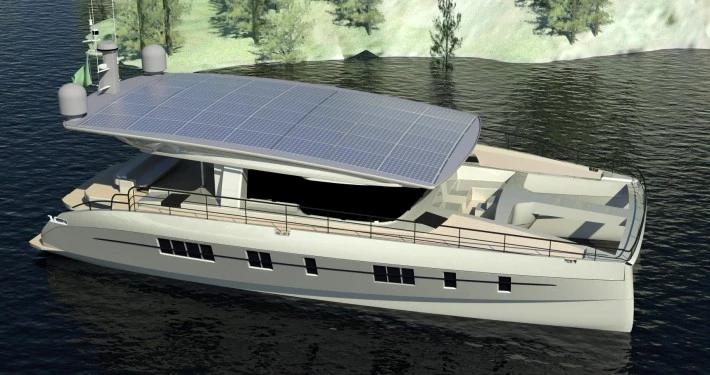
Electric propulsion provides one of the strongest threads. The business describes research into the subject and a 19-metre solar-powered catamaran launch in 2014. That places the interest within a development history rather than treating it as a recent styling theme. The question is how generation, storage, propulsion and the vessel's demands can work together.
Solar-powered boats make that relationship particularly clear. Available panel area, the weight of the vessel and the speed at which it is used all affect the energy picture. A leisurely passenger trip in sheltered water presents a different brief from extended private cruising. A useful design begins by recognising the difference rather than applying one promise to every type of boat.
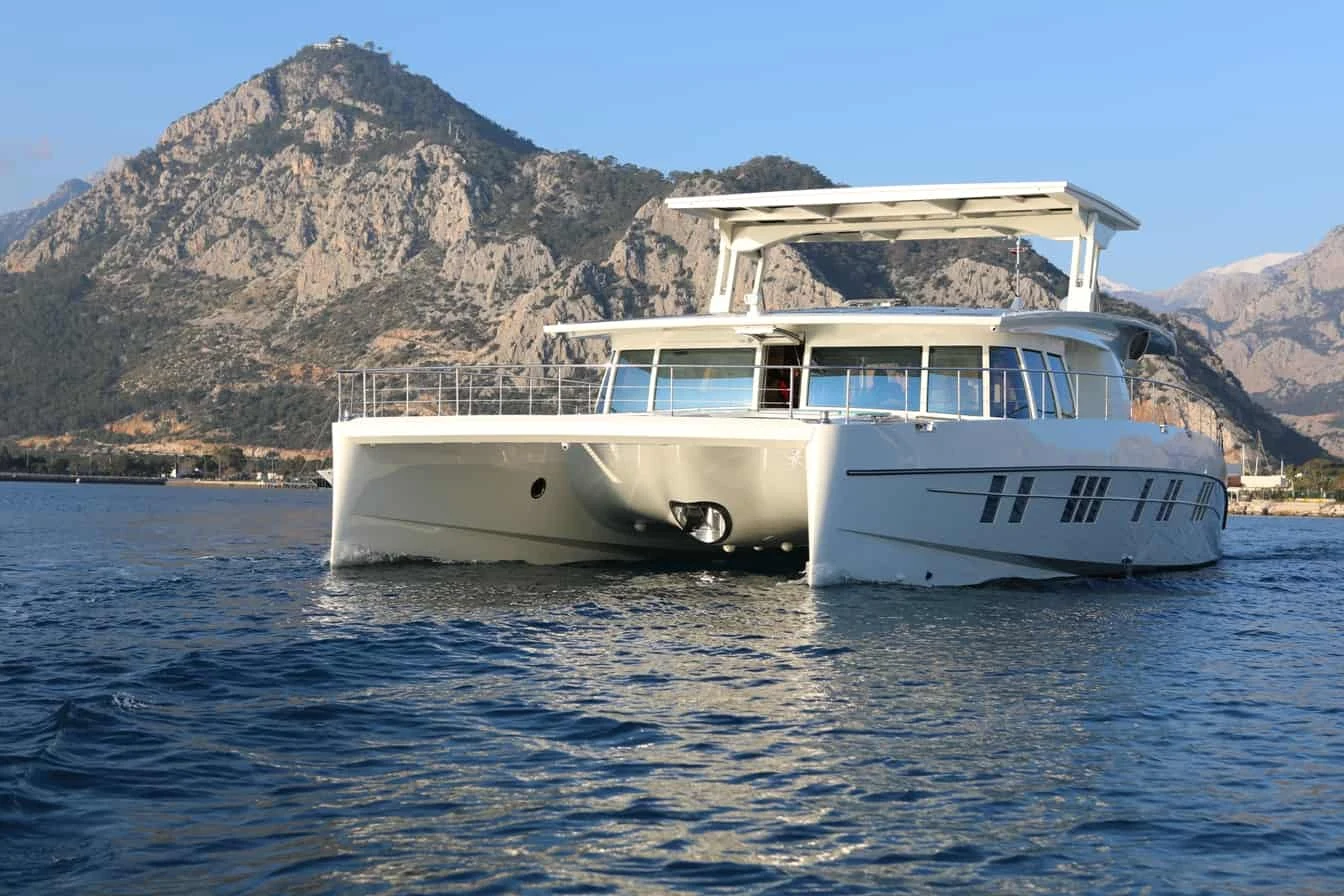
The SunSailer 7.0 and CAT 12 show the smaller-scale side of the catalogue. They explore protected-water and passenger uses, where a quiet electric operating character can become part of the experience. The Serenity 64 introduces a private catamaran arrangement, with accommodation and a larger set of onboard requirements to consider.
At a very different scale, the 65-metre Green Expedition concept brings together Faiss and designer Dennis Ingemansson. Its preliminary plan combines a large exploration-yacht brief with several proposed energy technologies. The value of a concept is the conversation it opens: which ambitions can reinforce one another, and which require further technical development to become a coherent commission?
The German business contact and Swiss office listed by the group reflect another aspect of the network model. A project may connect people, design work and construction across borders. Keeping the responsibilities understandable becomes as important as the attractiveness of the initial image, because the vessel depends on all those contributions meeting successfully.
Nedships' individual character lies in that willingness to bring unlike subjects together. A classic small boat can sit beside a solar passenger platform or a large expedition study without pretending they serve the same owner. The common ground is an interest in what the boat should do and how a different technical or design approach might help it do so.
For readers, the portfolio is therefore best explored as a set of ideas with different histories and purposes. It offers a way into the relationship between technology and the cruising brief, from a short quiet trip to an ambitious private project. The most interesting starting point is not a single specification, but the possibilities created when the right people begin asking the right questions.
About A network built for new ideas
Enquiries are not enabled yet. No message will be sent.

A solar boat is not simply an ordinary vessel with panels attached. The generation system, batteries, motors, hull and intended route all influence one another. The smaller electric craft and catamaran designs in the NEDSHIPGROUP portfolio offer a useful way to understand that whole-boat conversation.
The SunSailer 7.0 is a compact example. Its published length is 6.98 metres, with a 2.40-metre beam and a shallow 0.40-metre draft. The intended setting is protected coastal water, lagoons and rivers, where the character of a low-speed trip is different from an offshore passage or a fast transfer between ports.
At that scale, quiet operation can become part of the pleasure. Passengers are close to the water and to the surrounding landscape, while the boat's modest dimensions allow it to serve a different kind of outing from a large motor yacht. The design brief is about fitting a particular activity rather than reproducing a larger vessel in miniature.
The CAT 12 takes the idea into a passenger platform. Its overall length is 11.9 metres and its beam 5.95 metres, with a useful deck area of 27.5 square metres. The published arrangements explore different passenger capacities, giving the design potential for sightseeing and social uses as well as a more conventional transport role.
The wide platform is important to that flexibility. People need room to sit, move and see the surroundings, while practical requirements such as storage and toilets also have to be accommodated. The boat's value depends on the complete arrangement, not only the presence of an electric motor below it.
The technical options include different battery types and corresponding propulsion arrangements. Solar generation contributes energy, while battery capacity determines how power can be stored and used over the operating cycle. Route length, speed and the opportunities to recharge are therefore part of the design brief from the outset.
The private-yacht question is broader. The Serenity 64, at 19.44 metres and 9.40 metres in beam, adds a substantial accommodation programme. Its three-cabin layout includes an owner's hull, with social spaces, a flybridge and a relationship between the saloon and the forward lounge. A private cruising boat must support the routines of living aboard as well as the act of moving.
That changes the energy discussion. Lighting, refrigeration and the other services of a comfortable yacht continue when the vessel is stationary. Propulsion is a large part of the picture, but it is not the only part. A carefully considered operating programme connects the daily pattern of use with the capabilities of the installation.
The Serenity design provides electric and hybrid alternatives. That offers different ways to respond to the owner's priorities, from low-speed electric use to a broader set of propulsion choices. It also shows why the word hybrid covers an arrangement of systems rather than one uniform experience shared by every boat.
A catamaran's broad deck can provide space for generation and living areas, while its two hulls create a distinctive accommodation plan. Those benefits still need to be balanced with structure, weight and handling. The appeal of the layout does not remove the need for a complete naval-architecture and engineering response.
For an owner, the useful questions begin with the intended voyage. How far should the boat travel on an ordinary day? How much time will be spent at anchor? What services need to run during that time? Answering those questions gives the technical choices a purpose, rather than asking a headline figure to stand in for the whole experience.
The NEDSHIPGROUP examples are interesting because they span several versions of that conversation. A small protected-water boat, a passenger platform and a private cruising catamaran have different demands, yet all make the relationship between use and energy unusually visible. The result is a more thoughtful way to consider what powers a day afloat.
About Solar boating begins with the whole boat
Enquiries are not enabled yet. No message will be sent.
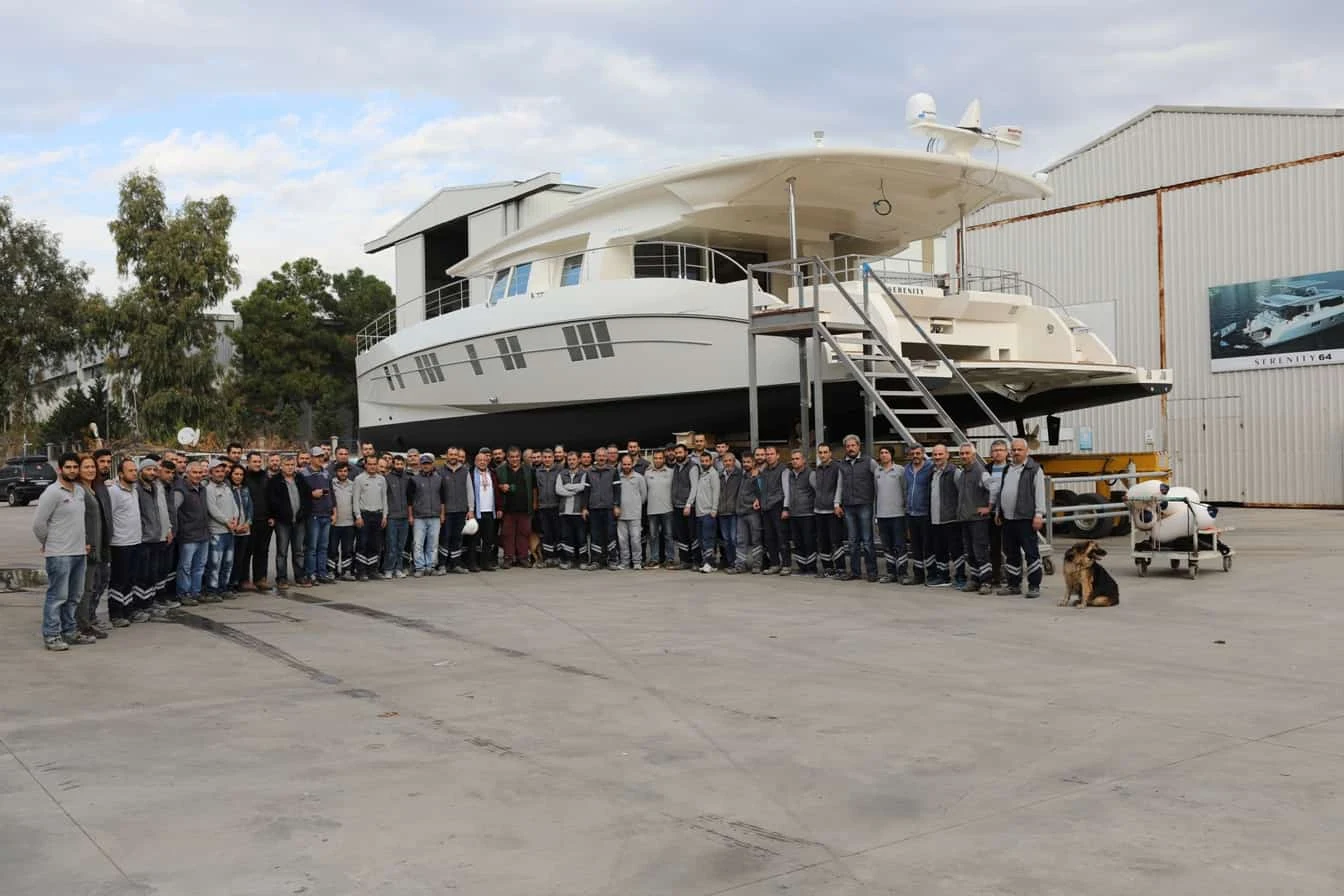
The network approach becomes clearest when the projects are connected with their named contributors. Egon Faiss, Dennis Ingemansson and Eduard Gray appear in different parts of the NEDSHIPGROUP portfolio, bringing commercial coordination and contrasting design interests into the same broad field of work.
Faiss is central to the group's own account of its direction. His contribution to the Green Expedition project includes sales, costs, the build process and engineering calculations associated with the proposed energy systems. Those responsibilities show how a design image has to be connected with a practical route towards a commission.
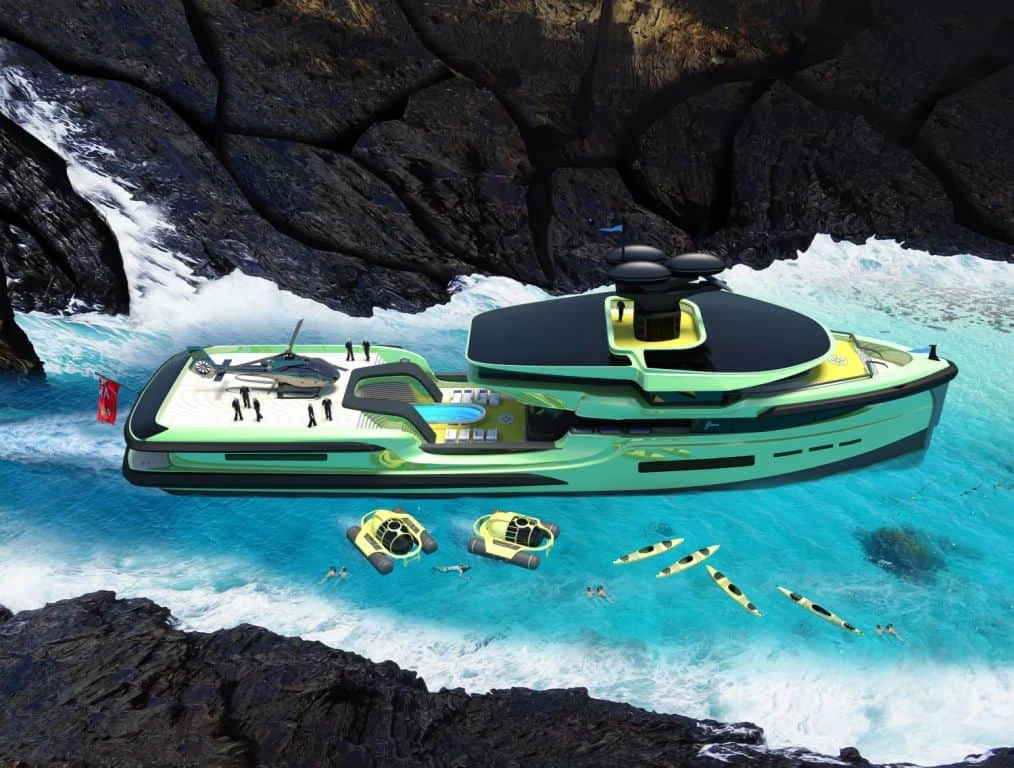
Dennis Ingemansson developed the 65-metre Green Expedition concept with the group. The preliminary specification sets out a steel-hulled exploration yacht with a composite superstructure, a 14-metre beam and a substantial equipment programme. The project is a design study of how a large yacht might support a more adventurous pattern of travel.
The concept brings together solar panels, a proposed hybrid power arrangement, wind-assisted ideas and other energy-related equipment. Its interest lies in the attempt to consider several possibilities within one vessel. Such a brief asks the designer to think about available surfaces, storage and the ways systems might affect the yacht's layout.
Exploration equipment is also part of the plan. Helicopter and tender storage, a diving centre and the accommodation of specialist activities make demands on a yacht that is intended to do more than cruise between familiar marinas. Those functions compete for space with cabins and leisure areas, giving the arrangement a very particular character.
A panoramic upper-level setting offers another side of the concept: the wish to enjoy the surroundings rather than only reach them. A vessel designed for a remote landscape still needs places from which people can experience it. The technical brief and the view from the lounge belong within the same discussion.
Eduard Gray's 12-metre classic-boat project approaches identity from a different direction. Presented as part of the Zeus Twelve collection, it sits alongside a custom sports car and a limited e-bike. The connection is a design language crossing several forms of transport, rather than a larger-yacht brief scaled down to fit a smaller hull.
That kind of project raises useful questions about coherence. A boat still has to work on the water, but its form can be informed by a broader creative vocabulary. The challenge is to preserve the practical identity of the vessel while allowing the design to feel related to objects that operate in very different ways.
The portfolio also contains completed-yacht histories, with names including Azzuro, Bora Bora, Momentum, Phoenix and taTii. They connect the group's more exploratory material with a background in yacht projects and subcontracting. The network model can therefore hold both a record of earlier work and proposals for different future briefs.
Design studios are only part of that network. The yards and technical specialists have to turn a proposal into a defined set of responsibilities, materials and tasks. A well-developed project needs clarity about who designs, who engineers and who builds, so the attractive initial idea can survive the transition into production information.
For a client, that makes collaboration a central part of the product. The right arrangement of people can be as important as the initial choice of style or dimensions. A specialist may solve a particular propulsion question, while another contributor shapes the accommodation or works through the construction sequence.
Nedships' most distinctive contribution is the invitation to explore those combinations. Its portfolio is full of different ways to think about a boat, from a quiet river outing to a large expedition concept. The people behind the projects give those ideas a starting point; the strength of the collaboration determines how far an individual brief can travel.
About The people and ideas behind the portfolio
Enquiries are not enabled yet. No message will be sent.
Use the company’s official website for business enquiries about this article.
Contact Nedships on its official website ↗
NEDSHIPGROUP, Lise Meitner Strasse 21, D-72202 Nagold, Germany | +49 7459 7684196
Swiss office listed by company: Bassersdorferstrasse 47, CH-8303 Bassersdorf / Zürich
Image credit: Serenity 64. NEDSHIPGROUP. Original image and credit . Image may be cropped for the layout.