

Approved articles for this Sea Emporium issue.

The details that make a yacht feel effortless are often the details that take the most organising. Linen has to fit unusual beds, tableware has to suit both the menu and the storage, and a beautiful object still needs to live safely aboard a moving vessel. Sea Emporium grew out of Susie Shaw's experience of trying to bring those demands together.
Shaw began working as a stewardess on a 40-metre motor yacht based in Trinidad in 2003. By 2006 she had become a chief stewardess, and the following years included setting up new-build yachts across Europe. That work placed her at the point where an impressive interior had to become a practical place for guests and crew to use.
Outfitting is a different discipline from specifying the fixed architecture. The rooms may already be designed, but the yacht still needs the objects and textiles that make them function: mattresses, bedding, towels, crockery, glassware, galley equipment and a long list of smaller essentials. Each choice has to relate to the design and to the daily work of the crew.
In 2011, Shaw launched Sea Emporium with a warehouse and logistics headquarters in London. The business translated an on-board challenge into a shore-based service, helping clients source individual pieces as well as organise the outfitting of complete projects. Its starting point was the knowledge gained from working inside the yacht rather than simply viewing it from outside.
A bespoke linen label followed in 2015, with production in Italy. The move brought another part of the process closer to the business: instead of only selecting from existing products, it could develop linen to suit the requirements of a particular interior. Beds, finishes and the atmosphere of a cabin could be considered together.
In 2016, the company opened a European logistics centre and office in Ireland. That added a practical base for the movement and handling of goods, an essential part of a service in which many different items may need to reach one yacht at the right stage. The appeal of an object is only one part of the question; getting it there correctly is another.
The team's reach expanded through sales representation in Europe. Today, the business lists an Irish address in Dundalk and an Italian base in Pietrasanta, within reach of major yacht-building centres on the Tuscan and Ligurian coast. The geography reflects the work: clients, yards, manufacturers and delivery points are often in different places.
The product range now spans bed and table linen, towels, mattresses, dining and silver service, leather goods, lighting, exterior styling and galley equipment. It is a broad portfolio because a yacht interior is not experienced one category at a time. A guest moves from cabin to breakfast table to deck, and the objects encountered along that route help establish a coherent atmosphere.
That coherence requires choices. A formal dining setting calls for a different balance from relaxed outdoor meals, while a family yacht may need different priorities from a busy charter vessel. The chief stewardess, chef, designer and owner can all bring useful perspectives to the brief. The outfitter's task is to help those perspectives become a workable selection.
Sea Emporium's service extends through quality control, storage and distribution. These are the less photogenic stages of the process, but they protect the design intention. A carefully chosen set of pieces has little value to the yacht if quantities are wrong, items arrive damaged or the delivery misses the point at which the crew needs to prepare the boat.
The founder's on-board background gives the business its clearest identity. It connects the appearance of luxury with the work required to sustain it, recognising that a beautiful interior is also a working environment. The crew need to clean, store, replenish and present its contents day after day.
Sea Emporium's story is therefore about more than sourcing attractive products. It is about making an interior ready for life. The difference can be felt in a well-made bed, a table that suits the occasion and the quiet confidence of a team who know that the right things are aboard before the guests arrive.
About From chief stewardess to interior outfitter
Enquiries are not enabled yet. No message will be sent.

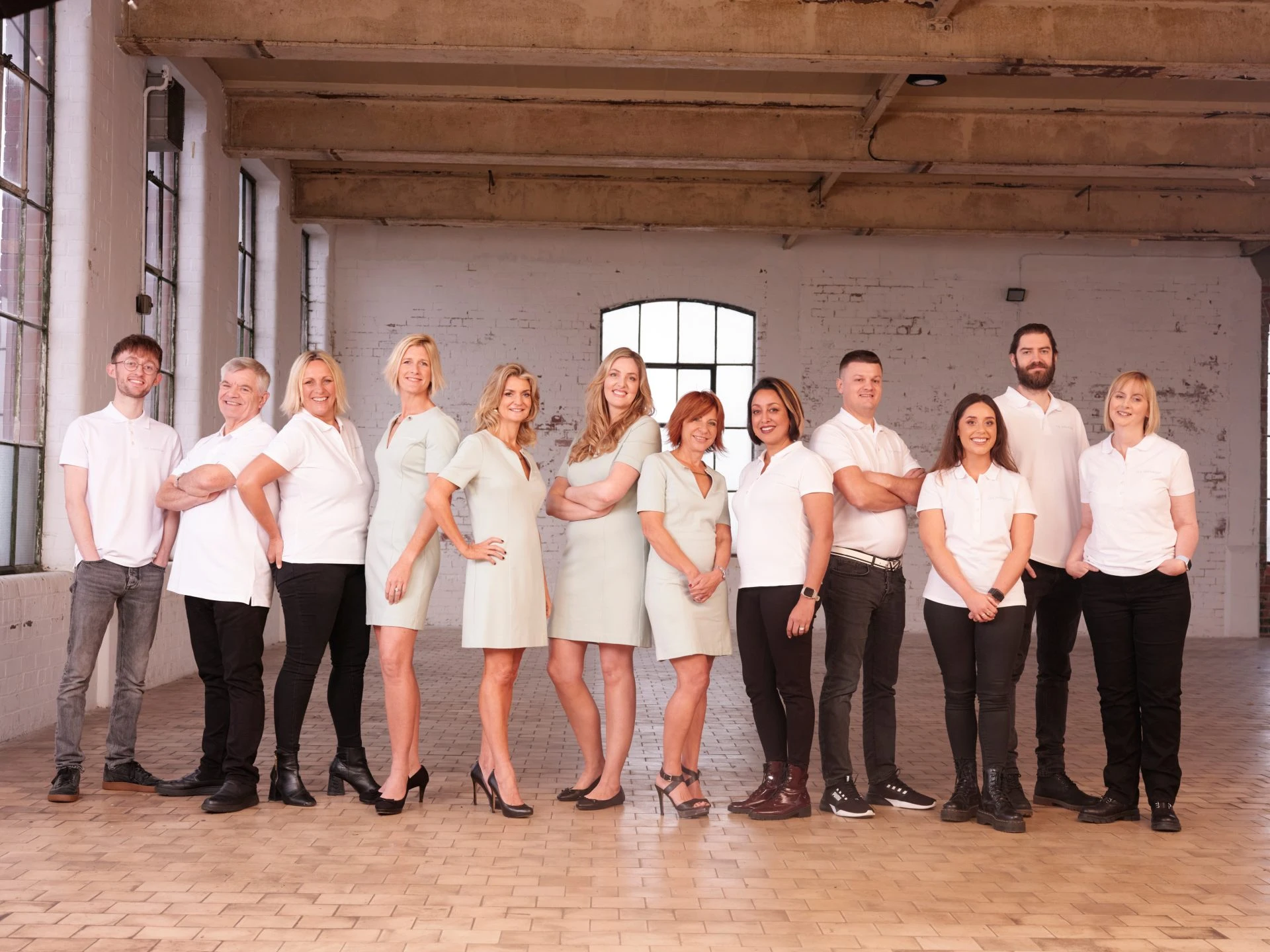
A yacht outfitting project can involve thousands of individual decisions, but it also depends on a relatively clear human structure. Sea Emporium's team brings together administration, finance, sales, creative work, galley knowledge and warehouse management. Those disciplines connect an owner's ideas with the boxes that eventually arrive at the yacht.
Founder Susie Shaw supplies the business's on-board perspective, developed through her work as a chief stewardess and on new-build set-ups. Her background helps explain the breadth of the offering. The interior is considered as a place that has to be operated, not only styled for a photograph at delivery.
Office Manager Deirdre Loy sits within the central organisation of the business. A project may involve several people on the client side and many more among manufacturers and suppliers. Clear coordination helps prevent a seemingly small decision from becoming detached from the larger brief, quantities or schedule.
Senior Bookkeeper Kate Zemene looks after another essential discipline. An outfitting selection has to work within a budget, and that requires a clear view of orders and expenditure. The financial work is closely connected with the project's creative choices: an additional bespoke item or a change in specification has a practical consequence beyond its appearance.
Karin Wastell is the Italian Sales Representative, placing a named contact close to a region with a substantial yacht-building industry. Local access can be valuable when a project needs discussion around samples, a developing interior or an approaching delivery stage. The relationship is often more useful than a distant catalogue.
Sue Roberts is Galley Consultant. Her role recognises that the yacht's food service begins well before a plate reaches the table. Equipment, storage and the way the kitchen will be used deserve their own expertise, especially when the vessel must support different menus, guest preferences and service styles within limited space.
The office administration team includes Kate Carr as Senior Office Administrator, with Nicole Martin, Niamh McGovern and Abby Murphy as Office Administrators. Their contribution sits within the flow of information that keeps orders and projects moving. Product choices, quantities, sample decisions and delivery arrangements need to remain connected as the project develops.
Jamie Ryan works as Graphic and Creative Designer. Visual communication is an important part of turning a discussion into something a client can assess. A moodboard, arrangement of materials or presentation of alternatives can make a preference much easier to articulate than a long exchange of descriptions alone.
Warehouse Manager Tudor Mamaliga brings the story into physical space. Goods have to be received, handled and prepared for their next journey. A warehouse serving yacht projects is not simply a place to put boxes; it is part of a sequence that connects a varied supplier base with a specific vessel and its timetable.
These roles also show why an outfitting business needs to work well with the yacht's own people. Owners and designers may establish the visual direction, while captains, managers, chief stewardesses and chefs bring the practical brief. A choice that satisfies one perspective should ideally support the others too.
The team structure allows those conversations to continue through the project rather than ending once an order is placed. Sea Emporium includes post-project support within its process, recognising that a yacht's needs change after the initial set-up. A replacement, an additional quantity or a new use for a room can reopen decisions that seemed complete at delivery.
The result is a business whose most valuable work often appears as continuity. The right sample leads to the right order, which reaches the right person in the right place. Behind an interior that feels calm and complete is a group of people managing a very active chain of choices, goods and information.
About Meet the people behind the finishing touches
Enquiries are not enabled yet. No message will be sent.
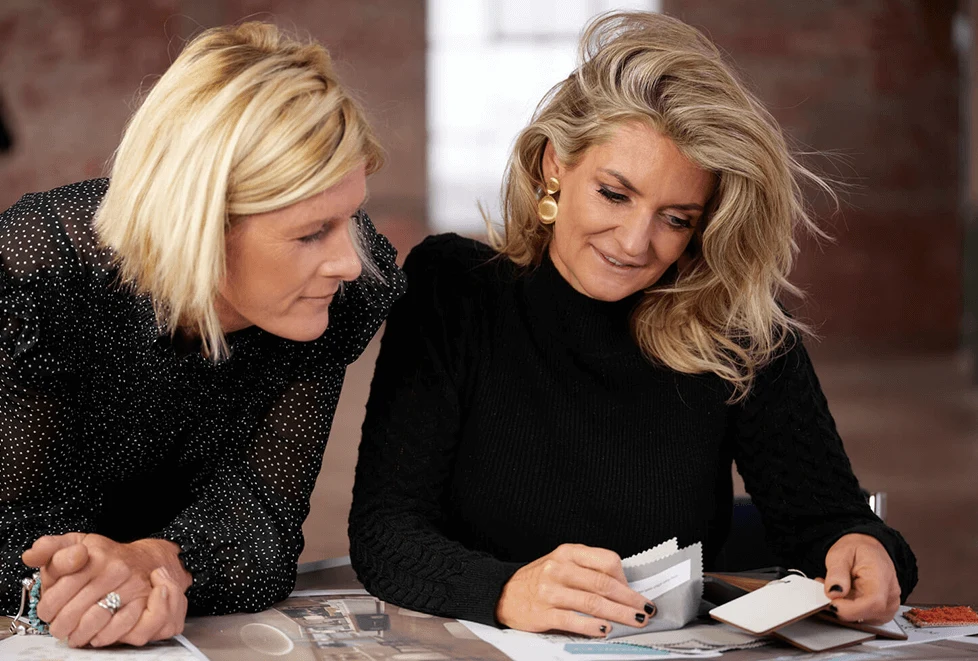
A yacht's interior is always balancing two worlds. It can offer the comfort and visual richness of a private home, yet everything within it belongs to a vessel that moves, travels between ports and depends on a small team to keep daily life running. Sea Emporium's outfitting process begins at that intersection.
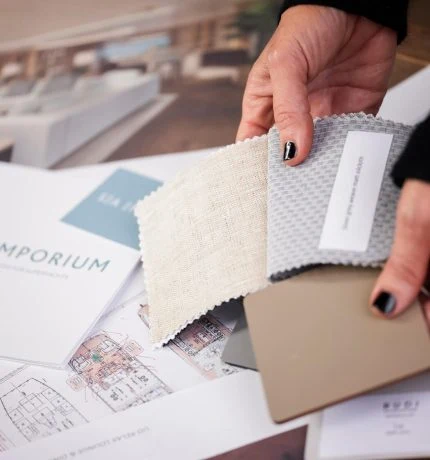
The initial brief can take several forms. A new-build project may have a full general arrangement and detailed interior imagery, while a smaller replacement enquiry may begin with photographs of an existing space. In either case, the useful starting point is how the yacht is intended to work and what the client needs to achieve.
The company develops proposals and moodboards around that brief. This stage is more than a presentation exercise. It allows a client to see how textiles, colours and individual objects might relate, then adjust the direction before the selection becomes a substantial order. A visual relationship is often easier to judge when the alternatives can be considered together.
Samples add the physical evidence. A fabric has weight and texture that a screen cannot reproduce; a glass or piece of tableware has a scale and feel that matters in use. Reviewing those qualities helps narrow the field from something generally attractive to something appropriate for a particular yacht and service style.
The new-build service includes work with owners, managers, designers and crew. Each brings a different part of the question. A designer may be protecting the room's character, the chief stewardess may be thinking about presentation and care, and the captain may be concerned with the operational programme and delivery arrangements.
Sea stowage and fastenings are part of the consultation. That is a distinctly marine concern: an object that sits happily on a table ashore may need a different arrangement at sea. The relationship between appearance and storage must be considered early enough for the yacht to use the chosen pieces comfortably rather than work around them.
Bed linen illustrates the same principle at a smaller scale. Yacht mattresses and cabin arrangements can require bespoke sizing, while the visual choice has to coexist with laundering and repeated use. A linen programme is therefore a practical system as well as a colour and fabric decision, involving quantities, rotation, storage and care.
Towels face another pattern of use. Salt, sunlight and frequent washing can all influence how they perform over a season. The everyday work of the interior crew helps explain why product suitability and care matter alongside softness and appearance. A successful selection should continue to feel considered after many guest trips, not only on the first day.
Dining introduces its own choreography. Glassware, crockery, cutlery and linen need to work with the food, the table and the level of formality. Tablescaping is most convincing when the pieces belong to a coherent service rather than competing for attention. The chef and interior team have different but complementary views of that result.
Quality control and shipping follow the creative stages. The company checks orders before dispatch and provides a delivery process intended to support the yacht's programme. Timings matter because a boat may be preparing for handover, moving between ports or opening a charter season; the delivery address is not necessarily a permanent place.
The work continues after the boxes are opened. Crew may need to establish where items live, how they will be cared for and what should be replenished. A good outfitting process leaves the yacht with more than a set of purchases. It leaves a collection that can be understood and used by the people responsible for it.
That is the art in the service: making visual choices and practical routines reinforce each other. A room can be elegant without being difficult to run, and a well-organised interior need not feel utilitarian. When the two sides meet, the yacht gains the kind of ease that guests notice precisely because the effort behind it remains out of sight.
About Outfitting for a life that moves
Enquiries are not enabled yet. No message will be sent.
Use the company’s official website for business enquiries about this article.
Contact Sea Emporium on its official website ↗
Ireland: Unit 29, The Brewery Business Park, Dundalk, Co. Louth, A91 H6R7 | info@seaemporium.com
Italy: Condominio Corte Lotti, Viale Guglielmo Oberdan 57, Pietrasanta 55045, Lucca, Italia
Image credit: The Sea Emporium team. Sea Emporium. Original image and credit . Image may be cropped for the layout.