
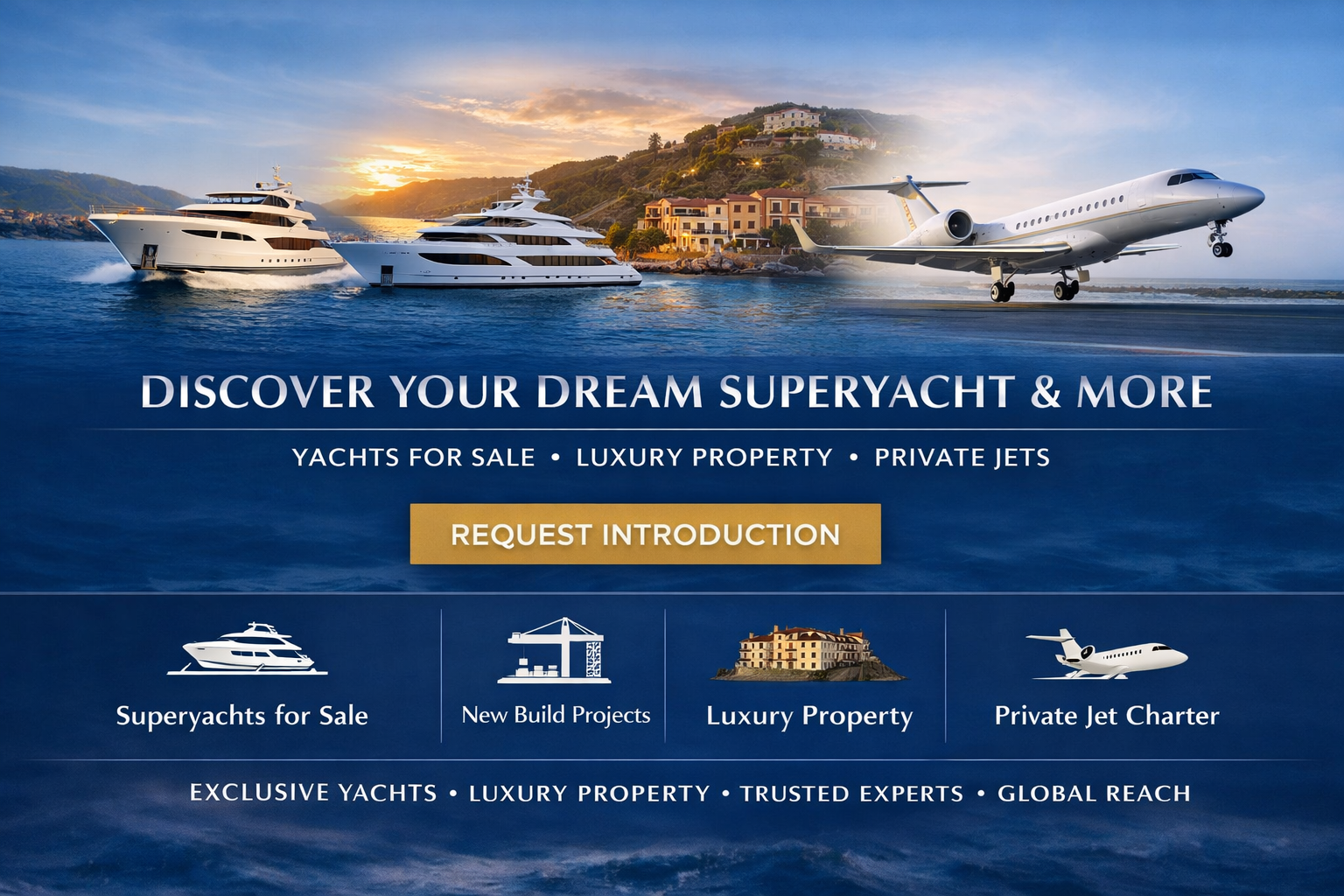
Explore a curated world of exceptional assets, from superyachts for sale and charter to luxury property and private jets. Whether you are looking to acquire, invest, or experience, we connect you with trusted opportunities and industry-leading expertise tailored to your requirements.
Luxury Industry Trends
The global luxury industry continues to evolve as consumer preferences, technology and international travel reshape how high-end products and services are delivered. From superyachts and private aviation to luxury property and exclusive experiences, the luxury sector reflects broader shifts in global wealth and lifestyle expectations.
In recent years the industry has seen rapid growth driven by emerging markets, digital transformation and increasing demand for personalised experiences. Understanding these trends is essential for businesses operating within the luxury sector as well as individuals seeking to participate in this dynamic global market.
In our view, the future of the luxury industry will be shaped by innovation, sustainability and the continued expansion of global wealth.
The growth of global wealth
One of the most important drivers of the luxury industry is the growth of global wealth. The number of high-net-worth individuals continues to increase across several regions including North America, Europe, the Middle East and Asia.
This expansion of wealth has created greater demand for luxury assets and services, particularly in sectors such as superyachts, private aviation and prime real estate.
These markets increasingly attract international clients seeking both lifestyle experiences and investment opportunities.
The rise of experiential luxury
Modern luxury consumers increasingly value experiences rather than simply the ownership of products. As a result, industries such as private travel, luxury hospitality and bespoke lifestyle services have seen significant growth.
Superyacht charters, private jet travel and exclusive residential developments offer experiences that combine privacy, convenience and personalised service.
These experiences allow clients to enjoy unique environments while maintaining the comfort and service standards associated with the luxury sector.
Technology transforming luxury
Digital technology has become an important part of the luxury industry. Online platforms now allow clients to explore luxury products and services from anywhere in the world.
Technology is also improving how luxury businesses operate. Data analytics, virtual tours and digital marketing platforms enable companies to reach global audiences more effectively.
In sectors such as yachting and aviation, advanced engineering and digital systems are transforming how vessels and aircraft operate.
Sustainability and environmental responsibility
Sustainability is becoming one of the most influential trends across the luxury industry. Consumers increasingly expect luxury brands to demonstrate environmental responsibility while maintaining the highest standards of quality.
This shift has encouraged companies to explore new technologies and materials designed to reduce environmental impact.
Within the yachting and aviation sectors, sustainable propulsion technologies and alternative fuels are beginning to shape the next generation of vessels and aircraft.
More information can be found in our sections on Sustainable Yachting and Sustainable Aviation.
Global luxury destinations
Several international destinations continue to play an important role within the luxury ecosystem. Cities such as Monaco, London, Dubai and New York serve as global hubs for luxury services, finance and lifestyle opportunities.
These destinations attract affluent residents, investors and travellers, creating vibrant markets for luxury property, private travel and exclusive events.
At the same time, resort regions including the Mediterranean and Caribbean remain highly desirable locations for luxury tourism and property investment.
Personalisation and bespoke services
Luxury consumers increasingly expect products and services that reflect their individual preferences. As a result, many luxury brands now offer highly personalised experiences.
Superyacht charters, custom-built yachts, bespoke aircraft interiors and tailored property developments are all examples of this trend toward personalisation.
This approach allows clients to create environments and experiences that reflect their individual lifestyles.
Investment in luxury assets
Luxury assets such as yachts, aircraft and prime real estate are increasingly viewed as investment opportunities as well as lifestyle purchases. Investors often seek assets that combine prestige with long-term value.
Luxury property in prime locations, for example, may appreciate in value while also providing lifestyle benefits.
Similarly, superyachts placed into the charter market may generate revenue when not in private use.
The influence of global events
Luxury industry events such as international yacht shows, aviation exhibitions and property conferences play an important role in shaping the sector.
These events bring together manufacturers, investors and clients to showcase new developments and explore emerging trends.
They also provide opportunities for networking and collaboration between industry professionals.
The future of the luxury industry
Looking ahead, the luxury sector is expected to continue expanding as global wealth increases and technology continues to transform how luxury services are delivered.
Sustainability, innovation and digital connectivity are likely to remain key influences on the industry.
Companies that adapt to these trends while maintaining the exclusivity and quality expected by luxury clients are likely to thrive in the years ahead.
Final thoughts
The luxury industry is a dynamic and evolving global sector shaped by economic, technological and cultural trends. From private travel and luxury real estate to bespoke experiences and investment assets, the industry continues to expand as global demand for premium lifestyles grows.
Understanding these trends helps both businesses and clients navigate the opportunities emerging within one of the world’s most influential markets.


Recognition is not requested — it is earned. We identify and present exceptional companies operating at the highest level across superyachts, property, and private aviation. If your business meets the standard, inclusion places you alongside a trusted, carefully curated network recognised by a global audience.
Learn More..
Superyachts for Charter Guide | Luxury Charter Explained
Luxury Property for Sale in Spain | Investment & Lifestyle Guide
Superyachts for Sale Guide | Ownership, Costs & New Build Options
Superyacht Companies | Builders, Brokers & Superyachts for Sale
What Is Included on a Superyacht | Features, Amenities & Value
Average Cost of Owning a Superyacht | Running Costs & Value
Yacht vs Superyacht | Key Differences & Buying Guide
Motor Yachts vs Sailing Yachts | Key Differences & Buying Guide
Recognised Companies- Private Jets
Recognised Companies - Luxury Real Estate
Explore..
Luxury Property for Sale in Spain | Investment & Lifestyle Guide
How Long Does It Take to Build a Superyacht | New Build Timeline
How Many Crew Are Needed to Operate a Superyacht | Crew Guide
How Much Does It Cost to Build a Superyacht | New Build Pricing Guide
How Much Does It Cost to Charter a Superyacht | Charter Pricing Guide
How to Charter a Superyacht | Step-by-Step Charter Guide
Contact Introductions | Superyachts for Sale, Charter & Luxury Assets
Do Superyachts Make Money Through Charter | Investment & Returns Guide
Recognised Shipyards
Recognised Superyacht Charter Companies
Only the most exceptional companies are presented. We curate a select portfolio of superyachts, luxury property, and private aviation opportunities, ensuring every introduction reflects quality, credibility, and global appeal.
Recognition places your business among a trusted global network. If selected, you gain visibility to a high-value audience and alignment with a platform built on quality, discretion, and industry credibility.